Care should feel different
Like this content? Share with your friends and followers!
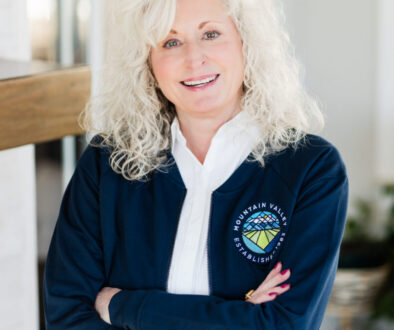
By Tracey Dobson, MSN, RN, President & CEO, Mountain Valley
 When someone is facing a serious illness, the experience of care matters just as much as the care itself. And yet, too often in healthcare, that experience feels rushed, impersonal, or disconnected. We focus on treatments, procedures, and outcomes—but we don’t always stop to ask a simple question: What does this person actually need right now?
In the work we do across serious illness (also known as palliative care) and hospice, we see a different side of healthcare. We see what happens when care slows down. When someone takes the time to listen. When a patient is asked, “What do you want?” and “How do you want this to feel?”
Those questions change everything. Because serious illness isn’t just a medical journey—it’s a human one. It affects families, relationships, emotions, and how people experience each moment of their lives. And those moments matter. Not just at the very end, but throughout the entire journey.
One of the things I believe strongly is that the kind of care we often associate with hospice—compassion, presence, dignity—should not begin at the end. It should begin much earlier. Because when we bring that level of humanity into serious illness care from the start, we don’t just change outcomes—we change experiences.
We reduce fear.
We build trust.
We create space for people to feel seen, heard, and supported.
And we remind our patients and their family members that they are not alone. At the end of the day, healthcare is not just about what we do. It’s about how we make people feel while we’re doing it.
And when care feels different—more human, more intentional, more compassionate—that’s when it truly makes a difference.