The future of serious illness care: Reaching more people, sooner
Like this content? Share with your friends and followers!
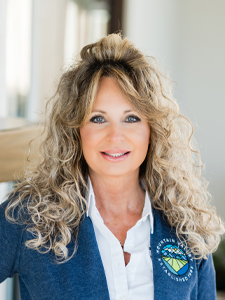
By Kristie Szarpa, MSN, ANP-BC, ACHPN, SVP of Practice Management, Mountain Valley
 One of the things that gives me hope about the future of healthcare is the growing recognition that caring for people with serious illnesses involves so much more than treating their medical conditions. It means helping them manage symptoms, navigate difficult decisions, maintain their independence and enjoy the best possible quality of life. It means listening to what matters most to them and making sure their care reflects those priorities.
That’s what palliative care is all about. And I’m encouraged by the opportunities we’re seeing to bring this kind of care to more people, earlier in their healthcare journey.
Recently, I had the opportunity to hear Dr. Alyssa Buckenheimer, one of our physicians at Mountain Valley, share her thoughts about the future of hospice and palliative care. I appreciate her enthusiasm for the field and, even more importantly, her focus on what these developments could mean for patients and families.
As Dr. Buckenheimer explains, palliative medicine is a relatively young medical specialty. In the past two decades, it has established an important role in hospitals, helping patients and families manage symptoms and make complex medical decisions. It has also become an increasingly valuable part of cancer care.
But serious illness extends far beyond cancer. Think about the people living with chronic heart failure, advanced lung disease, dementia and other neurological conditions. Many of these individuals and their families face significant challenges over months or even years. They may be dealing with pain, shortness of breath, fatigue, anxiety or the uncertainty of not knowing what comes next.
Palliative care can help address those challenges while patients continue receiving treatment for their underlying conditions. And here’s something I wish more people understood: You don’t have to wait until the end of life to benefit from palliative care. In fact, one of the most promising opportunities for the future is introducing palliative care earlier, when patients and families have more time to understand their options, build relationships with their care team and receive support as their needs change.
Dr. Buckenheimer also talks about the importance of bringing more of this care into people’s homes. I couldn’t agree more. When we care for someone in their home, we have an opportunity to understand their life in a way that isn’t always possible during a medical appointment or hospital stay. We see the challenges they face in their daily routines. We learn about the people who support them, the things that bring them comfort and the activities that give their lives meaning. That understanding can make such a difference in how we care for someone.
At Mountain Valley, we’ve always believed that care should be built around the person, not simply the diagnosis. That means taking the time to listen, recognizing that every patient and family is different, and working together to provide the support that matters most to them. As palliative care continues to evolve, I hope we’ll see stronger partnerships among healthcare providers, more opportunities to serve people in their homes and greater awareness of the benefits of seeking support early.
I also hope we’ll continue to change the way we talk about serious illness. Too often, patients and families don’t learn about palliative care until they’re facing a crisis. By then, they may have missed opportunities to receive support that could have made their journey a little easier. We can do better.
What excites me most about the future of palliative care isn’t simply that the specialty is growing. It’s the possibility that more people will have access to compassionate, individualized care when they need it, rather than only when their illness has progressed.
And it’s the opportunity to build relationships with patients and families over time, helping them navigate the challenges of serious illness while continuing to focus on living. That’s a future I believe is worth working toward. Because ultimately, the goal isn’t just to help people live longer. It’s to help them live as well as possible, with dignity, comfort and support along the way.