Listening is a lost art in healthcare
Like this content? Share with your friends and followers!
Kristie Byrd, Director of Patient Advocacy, Mountain Valley
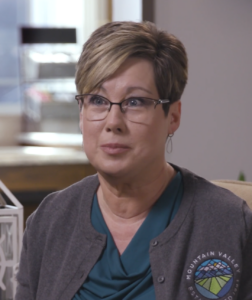
One of the things I have come to believe after more than twenty years in healthcare is that listening may be one of the most important things we do for patients and families — and yet it is something healthcare often does not make enough time for.
Healthcare today moves fast. There are regulations, documentation requirements, schedules, productivity expectations, and constant pressure to move on to the next task. In the middle of all of that, it becomes very easy to focus on processes instead of people. But patients are not checkboxes, and families are not care plans. Every person we serve has a different story, different fears, different hopes, and different needs. That is why listening matters so much.
One of the things we talk about often at Mountain Valley is meeting people exactly where they are. Not where we think they should be. Not where the system expects them to be. But where they are emotionally, spiritually, physically, and even culturally as they navigate some of the hardest moments of their lives.
Every family is different. What brings peace and comfort to one family may look completely different for another. Some people want every conversation and every detail explained. Others simply want someone to sit quietly beside them. Some families have important cultural or spiritual traditions at the end of life that are deeply meaningful to them. The only way we learn those things is by listening. And listening is more than hearing words.
Listening means slowing down enough to understand what someone is truly trying to tell you. It means paying attention to fear, exhaustion, grief, silence, body language, and the questions families sometimes do not know how to ask out loud. It means creating space for people to be honest about what they need instead of assuming we already know.
As healthcare providers, we may know the right medications, treatments, and clinical interventions. But that does not automatically mean we know what is right for that patient. Sometimes families do not need us to guide every conversation. Sometimes they need us to stop talking long enough to hear what matters most to them.
I think many people leave healthcare encounters feeling unseen or unheard, even when the clinical care itself was excellent. They remember feeling rushed. They remember feeling like decisions were being made around them instead of with them. And over time, that can erode trust not only in providers, but in the healthcare system as a whole. Listening changes that.
When patients and families feel heard, they feel respected. They feel safer. They feel less alone. And as providers, we are able to deliver care that is far more personal and meaningful because it is guided by what matters most to them — not simply by what the system expects from us.
In hospice care especially, listening is essential because there are no do-overs. We are walking alongside families during moments they will remember forever. Long after medications and medical equipment are forgotten, families will remember how they were treated. They will remember whether someone took the time to truly hear them.
I believe healthcare would look very different if listening became just as valued as every other clinical skill we teach. Not because listening is soft or secondary, but because listening is how we understand people. And when we truly understand people, we provide better care.